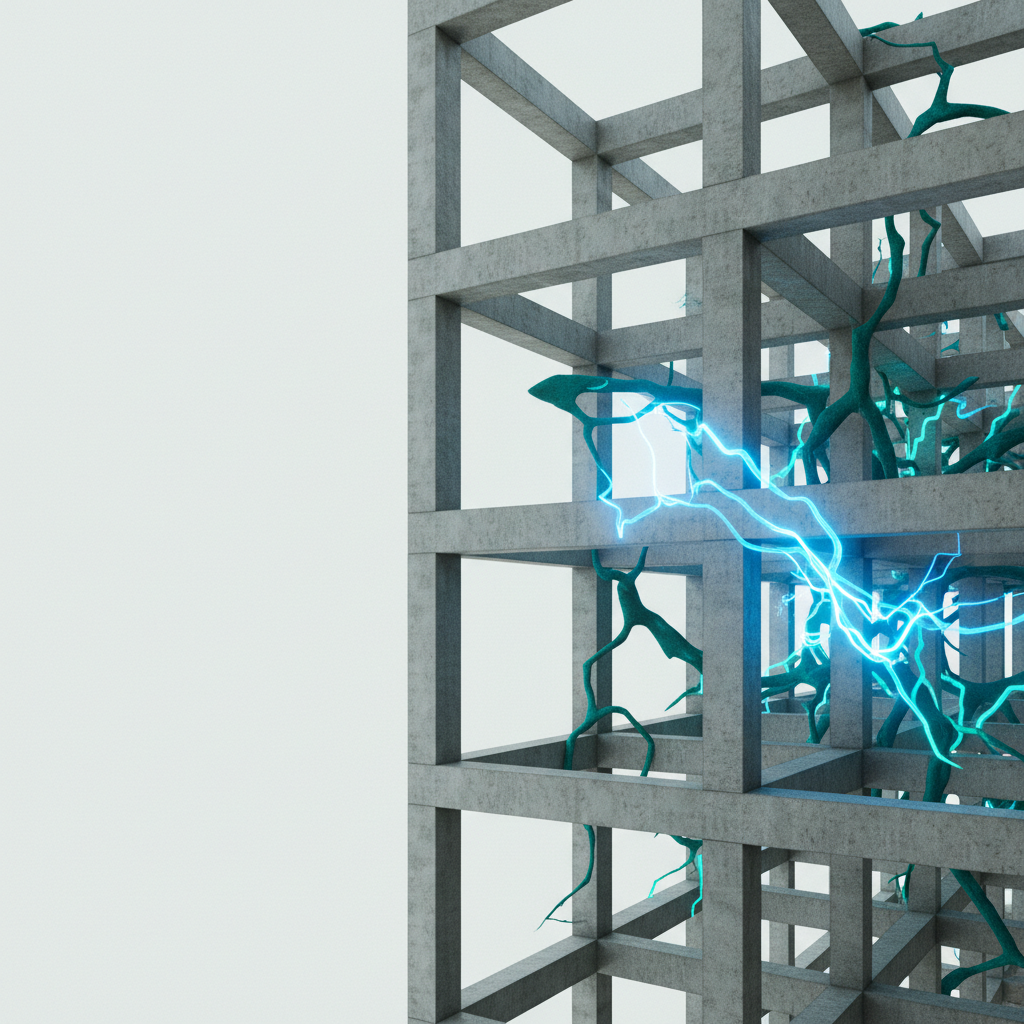
Ibogaine is a psychoactive substance from the root bark of Tabernanthe iboga, a shrub native to West Africa. In the brain, ibogaine is classified as a psychoplastogen, meaning it can physically repair and "rewire" the brain. It appears to act less like a simple hallucinogenic drug and more like a multi-system “reset signal.” It interacts with serotonin, dopamine, opioid, glutamate, sigma, and transporter systems simultaneously. That is why researchers are studying it for addiction, withdrawal symptoms, PTSD, traumatic brain injury, depression, and neuroplasticity. Oral ibogaine is a common route of administration in clinical settings, often under medical supervision. But ibogaine also carries serious risks, especially cardiac arrhythmia from QT interval prolongation, which can often be mitigated by combining it with magnesium for safety. Ibogaine has been classified as a Schedule I drug in the U.S. since 1970, but it is legal at specialized clinics in countries like Mexico and Canada.
Introduction to Ibogaine
Ibogaine is a naturally occurring compound found in the root bark of the Tabernanthe iboga plant, native to Central Africa. For generations, indigenous communities have used ibogaine in spiritual and healing ceremonies, valuing its profound psychoactive effects for personal insight and community rituals. In recent decades, the medical and scientific communities have turned their attention to ibogaine’s potential for treating substance use disorders, particularly opioid and cocaine addiction. What sets ibogaine apart is its ability to interact with multiple neurotransmitter systems—including serotonin, dopamine, and opioid receptors—simultaneously. This broad mechanism of action is believed to underlie its unique therapeutic effects, making it a promising candidate for addressing complex conditions like cocaine addiction and other forms of substance dependence.
The Complex Pharmacology of Ibogaine
Ibogaine is an indole alkaloid with unusually broad pharmacology. Instead of binding to a single, specific target, it affects multiple receptors and neurotransmitters involved in mood, reward, pain, memory, craving, and brain chemistry. That wide mechanism of action helps explain why ibogaine treatment is often described as an “addiction interrupter” rather than a maintenance therapy. Ibogaine's ability to modulate multiple neurotransmitter systems—including serotonin, NMDA, and opioid receptors—underpins its potential to disrupt addictive behaviors and treat drug addiction. Ibogaine's effects on these neurotransmitter systems contribute to its unique therapeutic profile.
The core idea is this: ibogaine temporarily disrupts entrenched reward pathways while opening a period of altered brain function. Ibogaine's effects have been highlighted in current drug abuse reviews (Curr Drug Abuse Rev) for their impact on drug and alcohol abuse. During that window, drug cravings may fall, withdrawal symptoms may become more manageable, and psychological material may become easier to process. This is also why integration and medical supervision matter. The drug does not simply “cure” addiction on its own.
How Ibogaine Interacts With Neurotransmitter Systems
Ibogaine and noribogaine interact with receptors linked to serotonin, dopamine, glutamate, and opioid signaling. Reviews describe activity at NMDA receptor systems, nicotinic receptors, sigma sites, kappa opioid receptor pathways, mu-opioid receptor pathways, and monoamine transporters. Ibogaine's interaction with these neurotransmitter systems underpins its therapeutic effects, such as reducing withdrawal symptoms, cravings, and promoting neural plasticity, which contribute to the 'reset' phenomenon and the profound psychological and cognitive changes seen with ibogaine treatment. This helps explain why the effects can include a psychedelic experience, reduced drug cravings, changes in mood, altered pain perception, and shifts in learned drug-use associations.
That multi-receptor pattern also makes ibogaine harder to study than single-target medications. A traditional treatment may act mainly on one receptor or one neurotransmitter. Ibogaine acts across multiple brain regions and systems at once. Ibogaine's effects on the serotonin system may contribute to the modulation of reward-seeking behavior, while its impact on NMDA receptors could influence memory recall and processing of unconscious material. This may be part of its therapeutic potential, but it also increases unpredictability.
The Crucial Role of the Metabolite Noribogaine
Noribogaine is the active metabolite formed after the body processes ibogaine. It lasts longer than ibogaine and may drive many of the long-term effects people report after treatment. Noribogaine is especially important because it interacts with the serotonin transporter and opioid receptors, which may help stabilize mood and reduce opioid withdrawal symptoms.
A simple way to understand the difference is this: ibogaine creates the intense acute experience, while noribogaine may help extend the anti-craving and mood-related effects after the visionary phase ends. This is why noribogaine is central to research on substance use disorder, depression, and post-treatment recovery.
Impact on Dopamine and the Brain’s Reward Pathway
Addiction is closely tied to dopamine and the reward system. Drugs of abuse can train the nucleus accumbens and related reward pathways to prioritize substance use over ordinary motivation, connection, and long-term goals. Ibogaine appears to affect this circuitry in a distinctive way.
Research and reviews suggest ibogaine may alter dopamine signaling in the ventral tegmental area, nucleus accumbens, and prefrontal cortex. In practical terms, this may reduce the brain’s automatic pull toward drug use while improving top-down regulation from the prefrontal cortex. The result may feel like a temporary pause in compulsive craving.
This is what people often mean when they say ibogaine “resets” the addicted brain. It does not erase addiction. Instead, it may interrupt the reward loop long enough for detoxification, therapy, and behavior change to take hold. Additionally, ibogaine may facilitate cognitive processing and psychological insights by affecting neural circuits involved in memory, perception, and introspection.
Effects on Serotonin Receptors and Mood
Serotonin is closely tied to mood, anxiety, emotional flexibility, and psychological processing. Ibogaine is sometimes grouped with psychedelics, but its psychedelic effects are not believed to depend mainly on classic 5-HT2A serotonin receptor activity in the same way as psilocybin or LSD.
Noribogaine’s serotonin transporter activity may be especially important. By acting somewhat like a serotonin reuptake inhibitor, noribogaine may help explain the antidepressant effects and mood stabilization some patients report after ibogaine treatment. Reductions in anxiety symptoms have also been reported following ibogaine treatment, highlighting its potential effectiveness in alleviating anxiety-related issues. This does not mean it is safe to combine ibogaine with SSRIs. In fact, serotonin-related interactions are one reason careful medical screening is essential.
Glutamate Signaling and the NMDA Receptor
Glutamate is a major excitatory neurotransmitter in the central nervous system. The NMDA receptor helps regulate learning, memory, and synaptic plasticity. Ibogaine’s NMDA receptor antagonism may be one of the reasons it can disrupt learned associations tied to drug use.
In addiction, cues, environments, stress, and rituals become linked to reward. The brain learns those loops deeply. By affecting glutamate signaling, ibogaine may weaken the grip of those associations. That may be why some people describe the experience as feeling like a psychological “break” from dependence.
This mechanism also helps separate ibogaine from classic psychedelics. Its oneirogenic and hallucinogenic properties appear to involve NMDA and kappa opioid receptor activity, not only serotonin signaling.
Promoting Neuroplasticity Through GDNF
Neuroplasticity is the brain’s ability to change, adapt, and reorganize. In addiction and trauma, neuroplasticity can work against a person by reinforcing harmful patterns. But under the right conditions, it can also support recovery. Ibogaine administration modifies GDNF (glial cell line-derived neurotrophic factor) expression in the brain, which supports neuroregeneration.
One of the most important research themes is ibogaine’s relationship with glial cell line-derived neurotrophic factor, or GDNF. Animal studies have linked ibogaine-like effects to increased GDNF expression in reward-related brain regions. GDNF supports dopamine neuron health and may help reduce drug self-administration. Reviews also discuss brain-derived neurotrophic factor, or BDNF, as part of the broader neuroplasticity picture. Enhanced neuroplasticity promoted by ibogaine may lead to adaptive changes in brain structure and connectivity, supporting improvements in emotional regulation, cognitive processing, and motor functions.
This matters because addiction is not only a moral or behavioral issue. It involves changes in brain cells, reward pathways, stress responses, and memory circuits. A treatment that increases neuroplasticity may create a window where healthier patterns can be installed.
How Ibogaine Helps “Reset” the Drug Addiction Brain
Ibogaine may help reset the addicted brain through several overlapping effects. First, it modulates dopamine and the reward system. Second, it affects NMDA receptor signaling and may interrupt learned drug-use associations. Third, noribogaine may reduce opioid withdrawal symptoms through mu-opioid receptor activity without producing the same euphoric reinforcement as opioid drugs. Fourth, GDNF and BDNF pathways may support synaptic repair and neuronal adaptation. Additionally, ibogaine may also reduce withdrawal symptoms, supporting detoxification and recovery.
That combination can reduce drug cravings, soften withdrawal symptoms, and create a temporary psychological opening. But the word “reset” can be misleading. The brain is not wiped clean. Long-term recovery still depends on integration, environment, therapy, sleep, nutrition, social support, and relapse-prevention planning.
The Oneirogenic State: A Window Into the Subconscious
Ibogaine is often described as oneirogenic, meaning dream-like. The psychedelic experience can include vivid memories, symbolic visions, emotional review, and intense psychological material. Some people report seeing life events from a detached perspective. Others describe trauma processing or a confrontation with the consequences of drug use.
This state may create a psychotherapeutic window. In that window, a person may be more open to insight, remorse, forgiveness, or new motivation. But the experience can also be frightening, physically exhausting, and psychologically destabilizing. That is why ibogaine should not be framed as a casual wellness tool.
Administration and Dosage
Ibogaine administration is typically carried out orally, most often in capsule form, with dosages carefully calculated based on body weight—commonly in the range of 10 to 20 mg per kilogram. Treatment protocols often begin with a single “flood dose” designed to initiate the primary therapeutic effects, sometimes followed by smaller maintenance doses to support ongoing recovery. Due to the potential for serious cardiac complications, especially QT interval prolongation, medical monitoring is essential throughout the process. Clinicians emphasize the importance of thorough pre-treatment screening, including EKGs and electrolyte assessments, to minimize risks and ensure patient safety during ibogaine administration.
Traumatic Brain Injury
Traumatic brain injury (TBI) can lead to a range of neuropsychiatric symptoms, including depression, anxiety, cognitive impairment, and persistent functional disabilities. Recent research suggests that ibogaine treatment may offer significant improvements for individuals with TBI, particularly in reducing PTSD symptoms and enhancing cognitive function. Studies have reported that patients experience better brain function, improved emotional regulation, and a dramatic reduction in both anxiety and depression symptoms following ibogaine therapy. While these findings are promising and point to ibogaine’s potential to address the complex challenges of traumatic brain injury, further research is needed to fully understand its long-term effects and optimize treatment protocols for this population.
Potential Neurotoxicity and Risks to the Brain
Ibogaine’s risks are real. High doses in animal studies have been associated with Purkinje cells degeneration in the cerebellum, raising concerns about neurotoxicity. The relevance to carefully monitored human use is still debated, but the signal is important enough to treat seriously.
The bigger immediate risk is cardiac. Ibogaine can block hERG potassium channels, which may prolong the QT interval and trigger dangerous cardiac arrhythmia. Modern reviews consistently identify hERG/QT risk as one of the central safety barriers for ibogaine research and clinical translation.
This is why medical screening, including EKG review, electrolyte assessment, medication review, and continuous monitoring, is not optional. People with arrhythmia history, prolonged QT, serious heart disease, seizure risk, psychosis risk, pregnancy, or unsafe medication interactions may be poor candidates.
Long-Term Changes to Brain Structure and Function
The long-term effects of ibogaine are still under study. Some changes may last days or weeks because noribogaine remains active after the acute phase. Other effects may persist longer if the neuroplasticity window is paired with therapy and lifestyle change.
A Stanford-associated observational study of 30 male special operations veterans with mostly moderate disability and life-altering functional disability due to mild traumatic brain injury, as measured by the World Health Organization Disability Assessment Scale 2.0, reported significant improvements in average disability rating, PTSD, depression, anxiety, cognition, and overall functioning after magnesium–ibogaine therapy. The study used structured clinical and clinician-administered assessments, as well as neurobiological assessments, to evaluate outcomes. Post-treatment assessments showed that, on average, treatment with ibogaine led to significant improvements in functioning, PTSD, depression, and anxiety, with effects persisting for at least one month after treatment. The study found no serious side effects or cardiac issues, though typical symptoms like headaches and nausea were reported. Veterans described life-changing experiences: one stated his cognitive function was fully restored, allowing him to communicate better with his family, while another described his pre-treatment life as being in a "blizzard with zero visibility" and said that after ibogaine treatment, "the storm lifted," indicating significant emotional improvement. Stanford Medicine summarized the treatment as combining ibogaine with magnesium to reduce cardiac risk. The results are promising, but the study was not a large randomized controlled trial, so it should be treated as early evidence rather than proof of broad efficacy.
Traumatic brain injury (TBI) disrupts normal functioning, often resulting in life-altering functional disability that profoundly impacts daily life and quality of life.
The most accurate answer is that ibogaine may produce lasting brain function changes in some people, especially when combined with integration, but permanence is not guaranteed.
Clinical Trials
A growing number of clinical trials are underway to evaluate the safety and efficacy of ibogaine treatment for conditions such as opioid use disorder, PTSD, and traumatic brain injury. These studies are designed to clarify how ibogaine works in the brain, assess its impact on withdrawal symptoms and functional and neuropsychiatric symptoms, and determine the best ways to integrate it with other therapies like psychotherapy and medication. As the field of psychedelic assisted therapies expands, rigorous clinical trials remain essential for establishing ibogaine’s role in treating substance use disorders and related mental health conditions. The results of these studies will help guide future ibogaine treatment outcomes and inform best practices for safe and effective use.
Comparing Ibogaine’s Mechanism to Traditional Treatments
Traditional addiction treatments often work by substitution, blockade, symptom control, or behavioral support. Methadone and buprenorphine stabilize opioid dependence through opioid receptor activity. Naltrexone blocks opioid effects. SSRIs affect serotonin over time. Cognitive behavioral therapy targets thought patterns and behavior.
Ibogaine is different because it attempts to interrupt multiple systems at once: dopamine, glutamate, serotonin, opioid receptors, neuroplasticity pathways, and psychological memory. That is why some people see it as a disruptive treatment model. Ibogaine is being explored as part of psychedelic therapy approaches to treat opioid and alcohol abuse, offering a new avenue for addressing substance use disorders. It is considered a promising option to treat opioid dependence and related substance use disorders, including alcohol abuse. But it is also why the safety profile is more complicated.
Traditional treatments are usually easier to regulate, dose, and repeat. Ibogaine is intense, long-lasting, and medically risky. It may offer a powerful therapeutic potential for some patients, but it is not a replacement for evidence-based medical care.
Main Neurological and Medical Risks
The main neurological risks include ataxia, tremor, confusion, prolonged altered perception, possible seizure risk, and concerns about cerebellum toxicity at high doses. The main medical risk is the heart. QT interval prolongation can become fatal if monitoring is poor or if the person has underlying risk factors.
Medication interactions are another major concern. SSRIs, stimulants, antipsychotics, methadone, some antibiotics, and other QT-prolonging or serotonin-active drugs may increase danger. Liver metabolism differences may also affect how strongly someone responds.
Ibogaine is not for self-experimentation. Any article or clinic page discussing it should make this clear.
How Long Do the Neurological Effects Last?
The acute ibogaine experience may last 24 hours or more, with residual effects extending into the next several days. Noribogaine may continue influencing mood, craving, and serotonin-related signaling after the main experience has ended. Some people report reduced drug cravings for weeks or months, but duration varies.
The most durable outcomes likely come from what happens after treatment. If the neuroplasticity window is followed by therapy, exercise, sleep repair, social support, and structured recovery, the brain may consolidate better patterns. Without aftercare, the old reward pathways can return.
Final Takeaway
Ibogaine affects the brain through a rare combination of receptor activity, neurotransmitter modulation, neuroplasticity signaling, and intense psychological experience. It may reduce addiction cravings, ease withdrawal symptoms, and create a window for emotional and behavioral change. The strongest emerging research interest centers on substance use disorder, PTSD, traumatic brain injury, noribogaine, GDNF, BDNF, and reward system repair.
But the same complexity that makes ibogaine compelling also makes it risky. The cardiac safety concerns are serious, the legal status is restrictive in the U.S., and the evidence base still needs larger controlled clinical trials. Ibogaine should be understood as a high-risk, medically supervised intervention under investigation—not a casual supplement, shortcut cure, or do-it-yourself detox tool.